BRAKING COMPONENTS

Precision-Engineered for Safe and Reliable Vehicle Control

Precision-Engineered Braking Components for Safe and Reliable Vehicle Control

At Marimba Auto, we specialize in manufacturing precision-engineered braking components that provide consistent stopping power, reliable pedal response, and long-term durability. As a critical part of the vehicle’s safety system, braking components directly influence vehicle control, driver safety, and overall performance.

Our components are manufactured using advanced engineering processes and high-quality materials to meet the rigorous performance standards of global automotive manufacturers and OEM suppliers. With a strong focus on precision, durability, and reliability, Marimba Auto delivers braking solutions that support the evolving requirements of modern automotive platforms.

Comprehensive Braking Component Solutions

Marimba Auto produces a wide range of braking system components designed for passenger vehicles, commercial vehicles, and specialized automotive applications. Our components are engineered to ensure smooth hydraulic operation, accurate force transfer, and dependable braking performance under diverse driving conditions.

Why Choose Marimba Auto for Braking Components

With a commitment to safety, engineering excellence, and quality, Marimba Auto delivers braking components that help automotive manufacturers achieve superior stopping performance, enhanced control, and long-term reliability.

  • Precision forged and machined components
  • OEM-grade quality standards
  • Advanced manufacturing capabilities
  • Custom engineering solutions
  • Reliable global supply chain support

BRAKING COMPONENTS PARTS
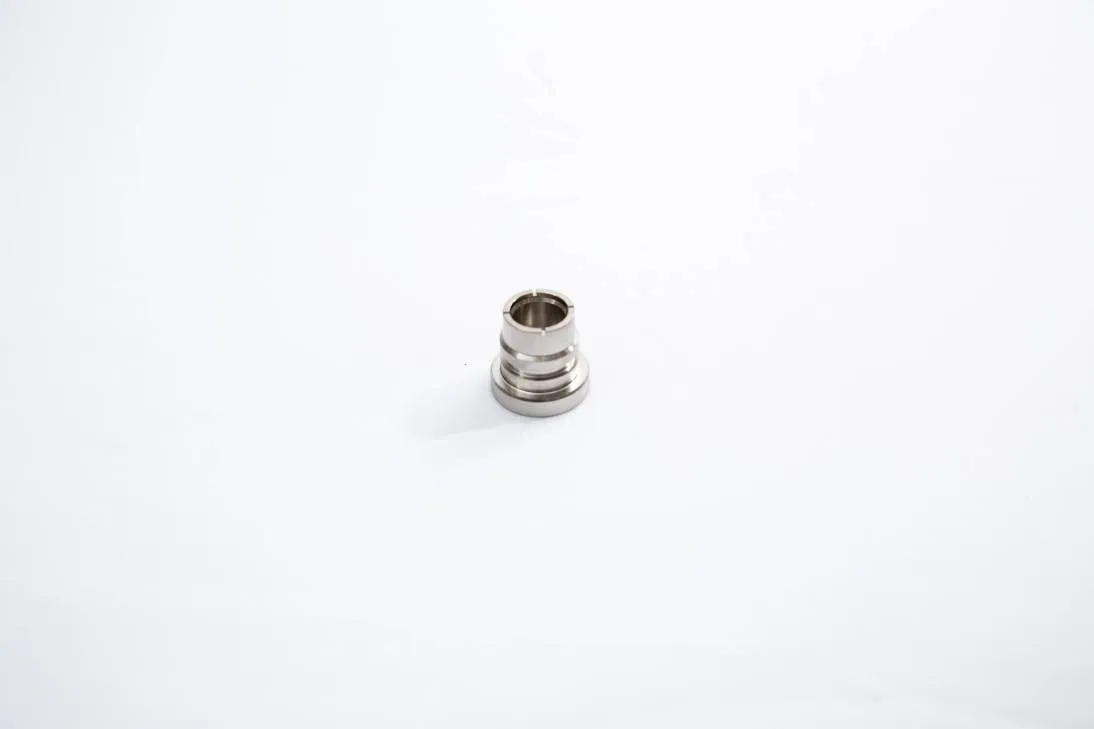
Adaptor
Adaptor

The adaptor connects different braking system components, ensuring proper alignment and secure integration. Designed for strength and precision, it supports fluid transfer and mechanical connections while maintaining system integrity.
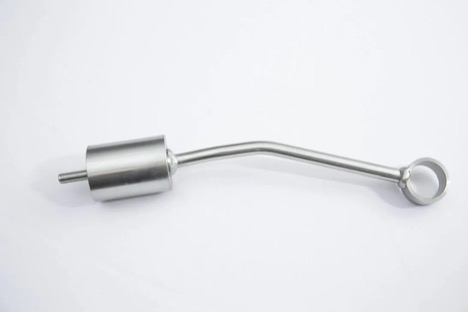
c rod

Clutch Rod Assembly

The clutch rod assembly transmits mechanical force from the pedal or actuator to the braking mechanism. Engineered for high fatigue resistance and smooth motion, it ensures reliable brake engagement and consistent performance.
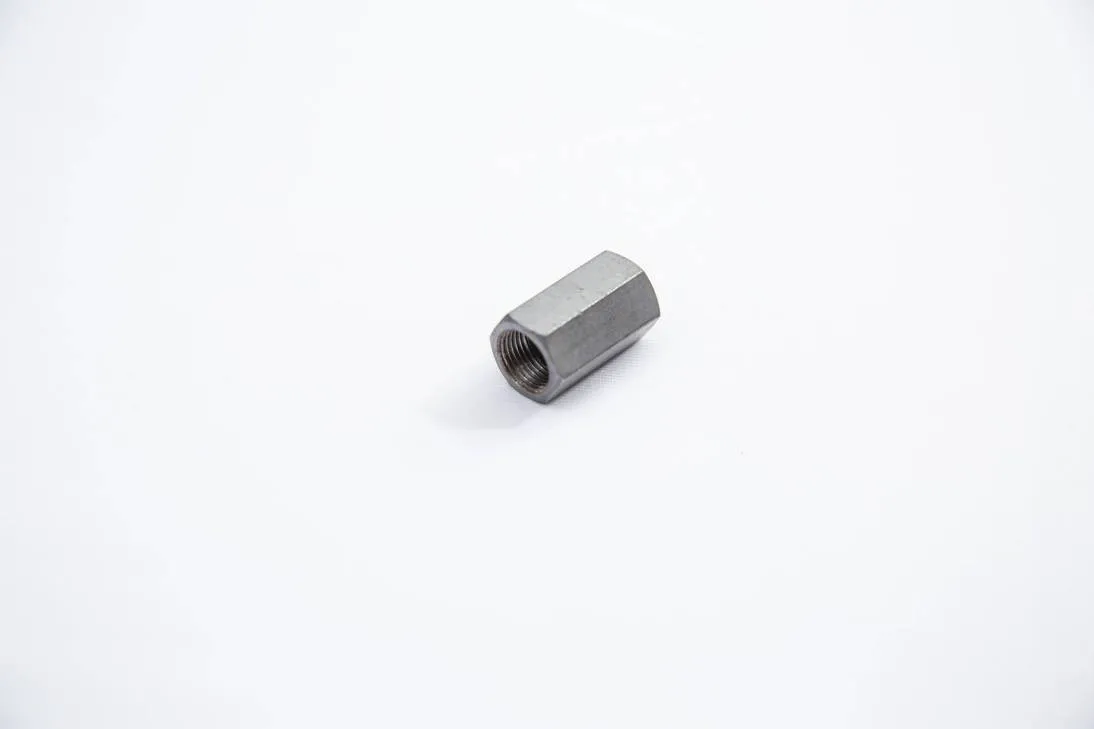
Union nut

Union Nut

The union nut securely fastens brake lines and fittings, maintaining leak-free connections under high-pressure hydraulic conditions. Precision threading and durable materials ensure long-lasting reliability.
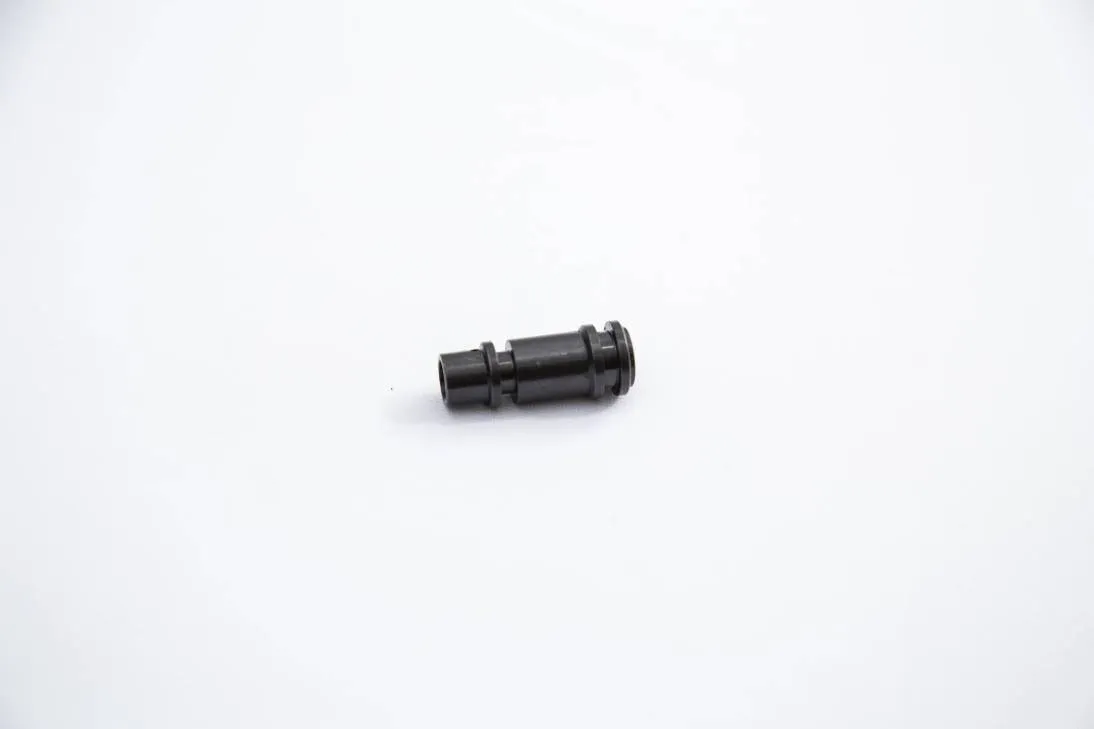
Piston valve

Piston Valve

The piston valve regulates hydraulic pressure within the braking system, controlling fluid flow to achieve consistent braking response. Manufactured with precision engineering, it ensures smooth operation and durability under high-pressure conditions.
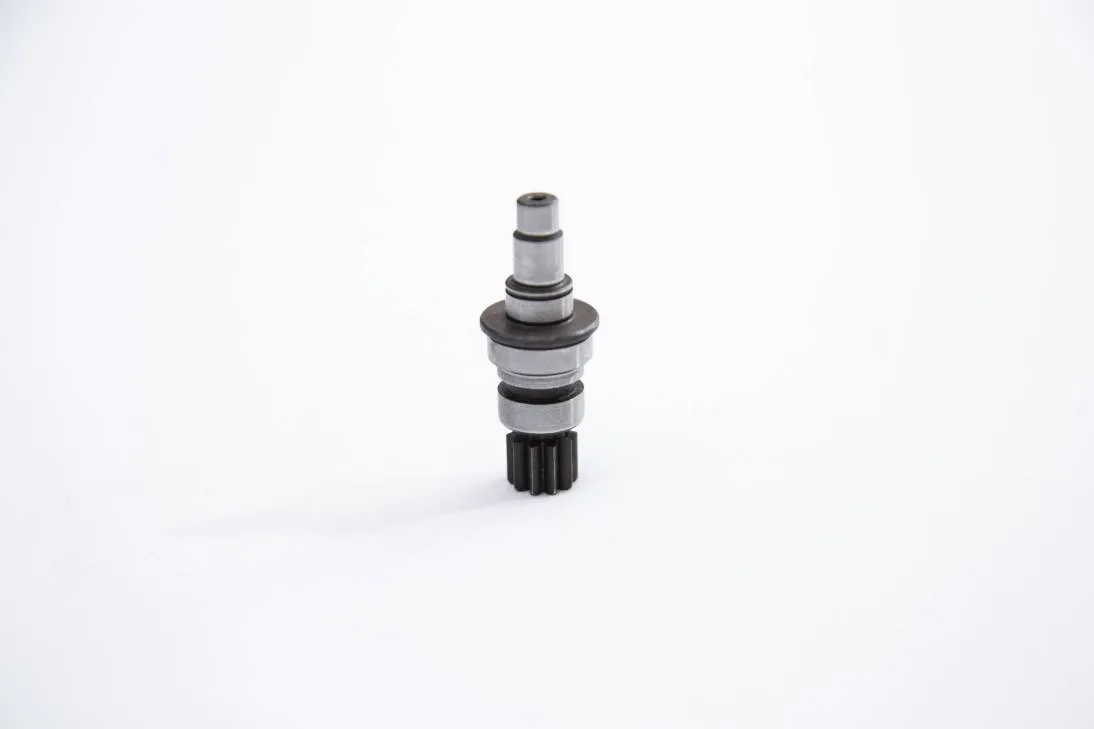
Output shaft

Output Shaft

The output shaft transfers mechanical motion from the actuator or master cylinder to the brake system. Designed for high torsional strength, it ensures efficient force transmission and dependable braking performance.
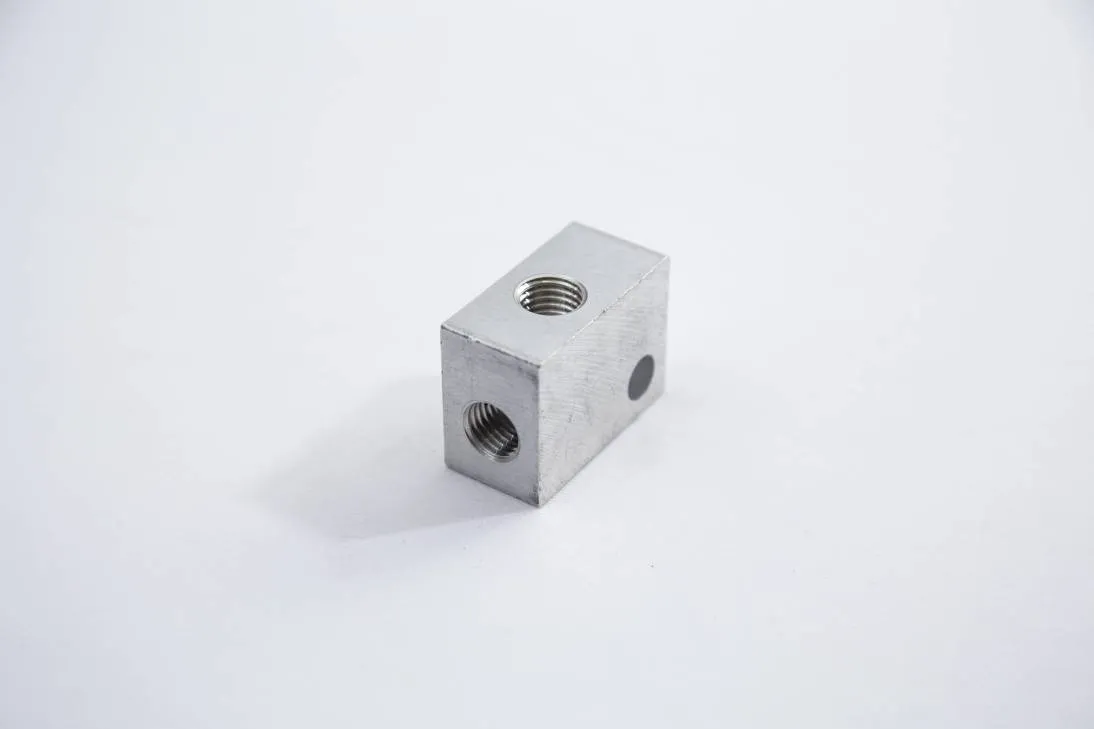
Manifold block 4way

Manifold Block 4-Way

The 4-way manifold block distributes hydraulic fluid to multiple braking circuits, enabling coordinated braking across wheels. Precision machining and robust construction ensure leak-free performance and long-term reliability.
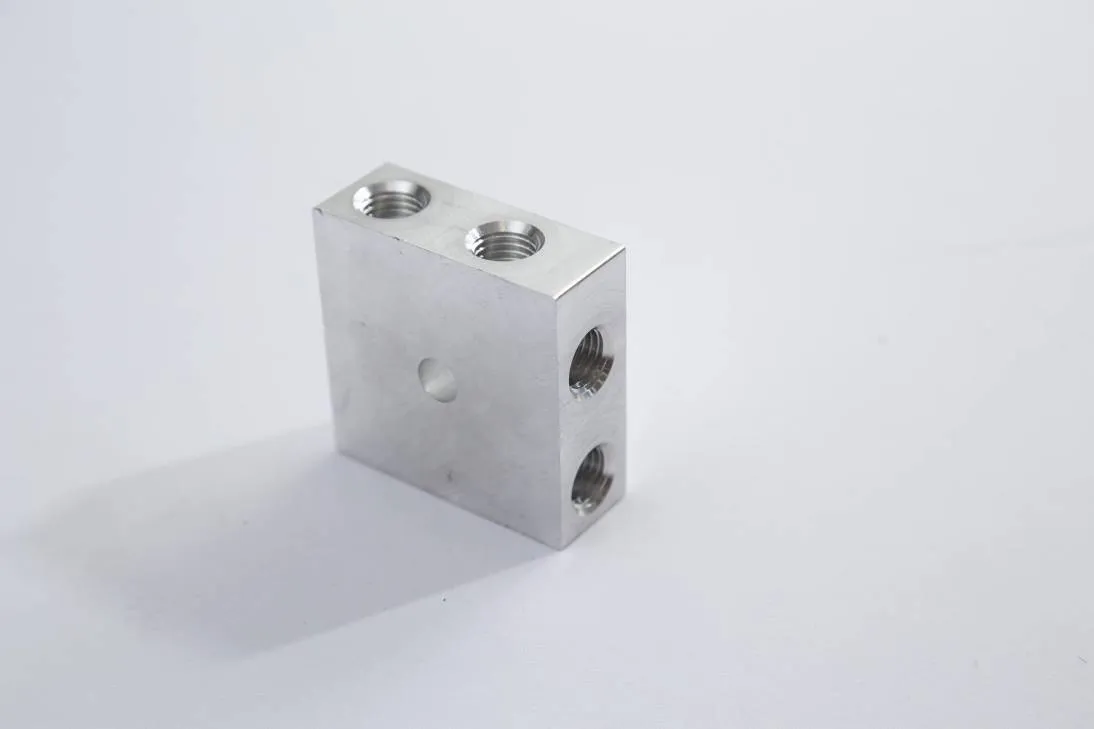
Manifold block 2way

Manifold Block 2-Way

The 2-way manifold block serves a similar purpose for simpler hydraulic circuits, directing fluid efficiently to the required braking components. High-strength materials and precise tolerances maintain consistent system performance.
Frequently Asked Questions
1. What are braking components in a vehicle?
Braking components are mechanical and hydraulic parts that enable a vehicle to slow down or stop safely. They include pedals, rods, valves, shafts, and manifold blocks that work together to control brake force and response.
2. What is the role of a piston valve in braking systems?
The piston valve regulates hydraulic fluid flow to the brake actuators, controlling the force applied to the brakes. Accurate operation ensures smooth braking, stability, and driver safety.
3. What does a clutch rod assembly do?
The clutch rod assembly transmits input force from the brake pedal to the braking mechanism, allowing precise control of brake application and ensuring responsive vehicle stopping.
4. Why are union nuts important in braking systems?
Union nuts provide secure, leak-proof connections between brake lines and components. They maintain hydraulic integrity under high pressure, preventing fluid leaks and system failures.
5. What is the function of manifold blocks?
Manifold blocks distribute hydraulic brake fluid to multiple circuits within the braking system. They help maintain balanced braking performance and prevent uneven brake application.
6. What is an adaptor used for in braking systems?
Adaptors connect brake lines or components, ensuring proper alignment and safe flow of hydraulic fluid. They are critical for maintaining system reliability under high pressure.
7. What materials are used in braking components?
Braking components are commonly made from high-strength alloy steel, cast iron, and corrosion- resistant metals to withstand high pressure, temperature, and mechanical stress.
8. What causes braking components to wear out?
Braking parts can wear due to heat stress, mechanical friction, corrosion, contamination, or overloading. Regular maintenance helps prevent premature failures.
9. What are the signs of failing braking components?
Signs include soft or spongy brake pedals, uneven braking, brake fluid leaks, unusual noises, vibrations, or reduced stopping efficiency.
10. How are braking components manufactured?
Braking components are produced using precision machining, forging, heat treatment, and surface finishing to achieve durability, tight tolerances, and safe performance in demanding automotive conditions.