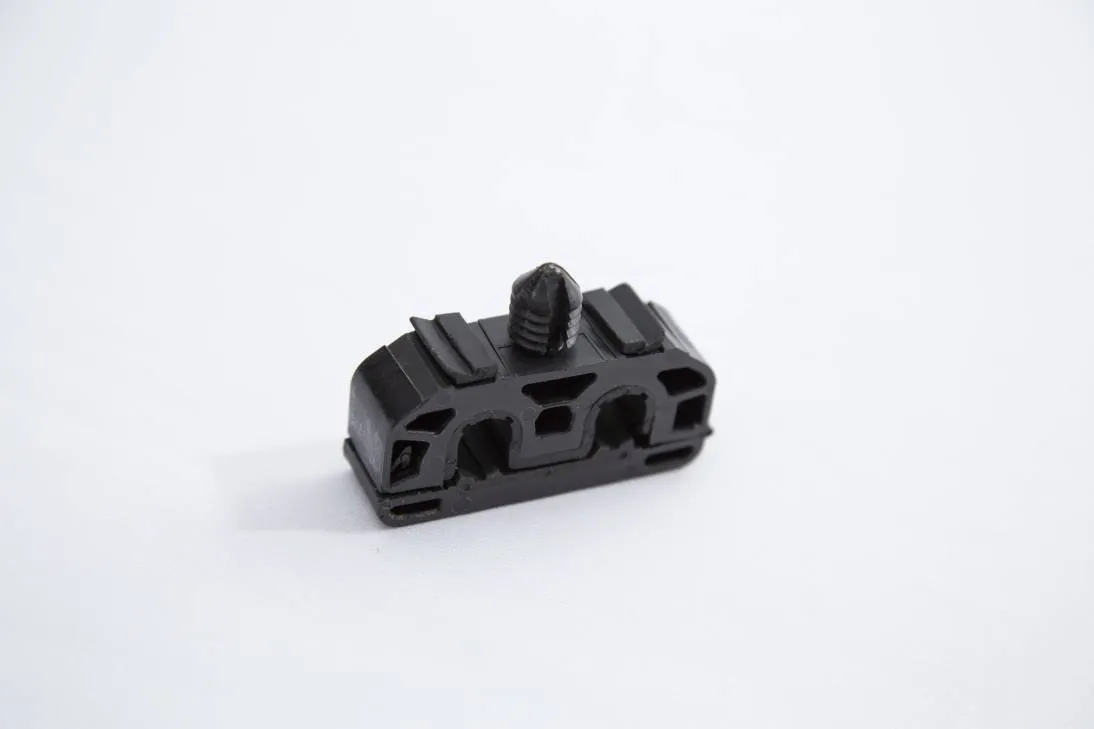
FLUID HANDLING COMPONENTS

Precision-Engineered for Efficient Flow Control

Precision-Engineered Fluid Handling Components for Efficient Flow Control

At Marimba Auto, we specialize in manufacturing precision-engineered fluid handling components that ensure reliable flow management, leak-free connections, and long-term durability within automotive systems. Fluid handling components are essential for managing the transfer of fuels, oils, coolants, and other fluids that support vehicle operation and performance.

Our components are manufactured using advanced engineering processes and high-quality materials to meet the demanding performance standards of global automotive manufacturers and OEM suppliers. With a strong focus on precision, durability, and reliability, Marimba Auto delivers fluid handling solutions that support the evolving requirements of modern automotive platforms.

Comprehensive Fluid Handling Component Solutions

Marimba Auto produces a wide range of fluid handling system components designed for passenger vehicles, commercial vehicles, and specialized automotive applications. Our components are engineered to ensure smooth fluid transfer, leak resistance, and dependable performance under varying pressure, temperature, and environmental conditions.

Why Choose Marimba Auto for Fluid Handling Components

With a commitment to engineering excellence and reliability, Marimba Auto delivers fluid handling components that help automotive manufacturers achieve efficient fluid transfer, system durability, and optimal vehicle performance.

  • Precision formed, stamped, and machined components
  • OEM-grade quality standards
  • Advanced tube forming and fabrication capabilities
  • Custom engineering solutions for fluid systems
  • Reliable global supply chain support

FLUID HANDLING COMPONENTS PARTS
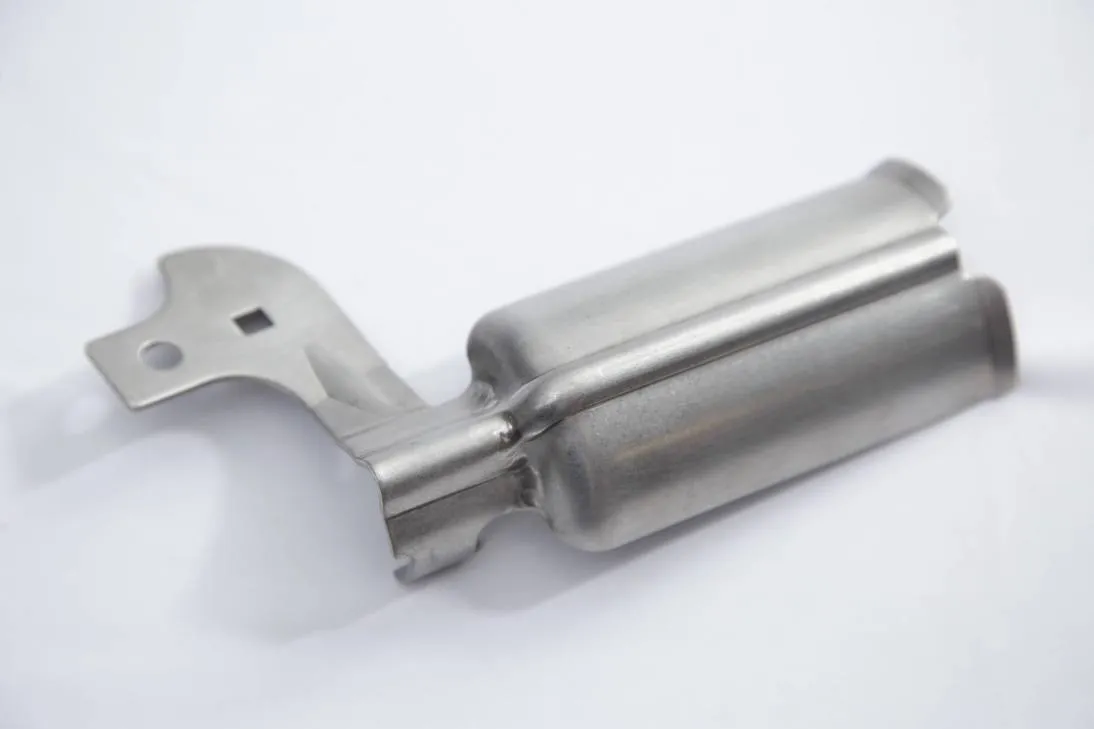
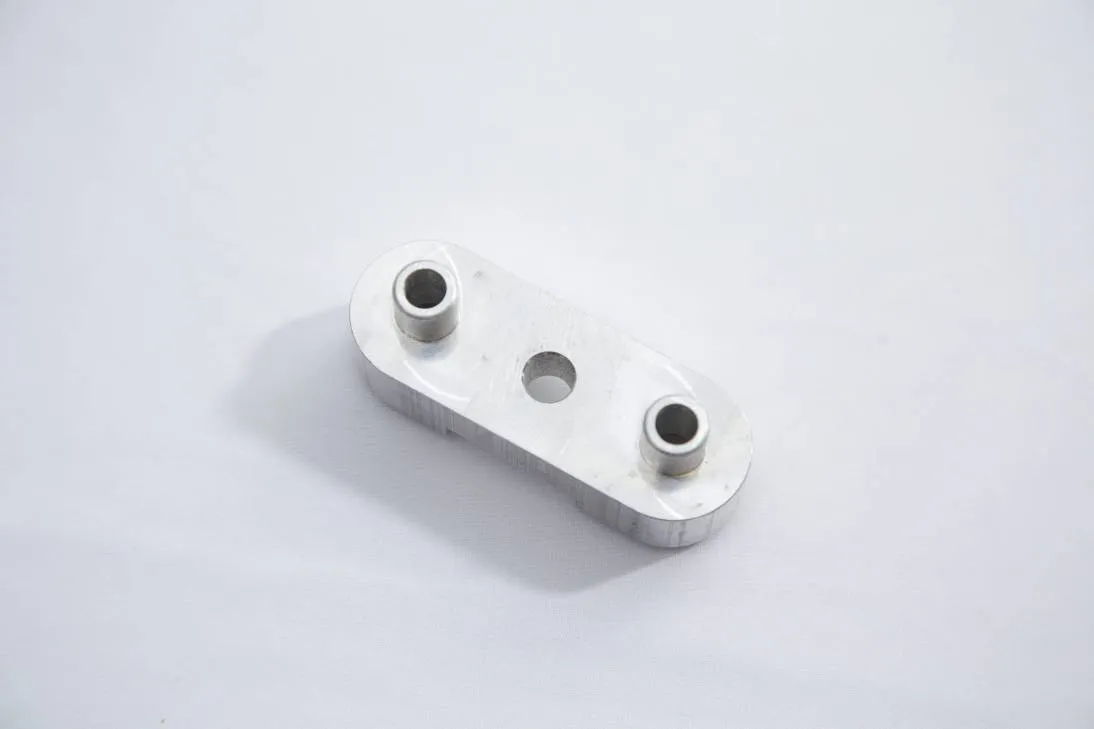
Bracket
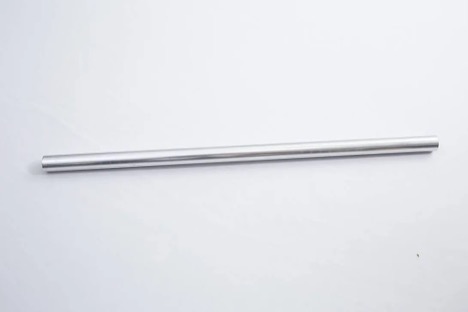
Bracket

Brackets are used to securely mount and support fluid lines, tubes, and related components within automotive assemblies. Designed for durability and precise fitment, they maintain proper alignment and stability of fluid handling systems.
Aluminium tube

Aluminum Tube

Aluminum tubes are lightweight fluid channels used for transporting fuel, coolant, or other automotive fluids. Their corrosion resistance and strength make them suitable for long-term automotive applications.
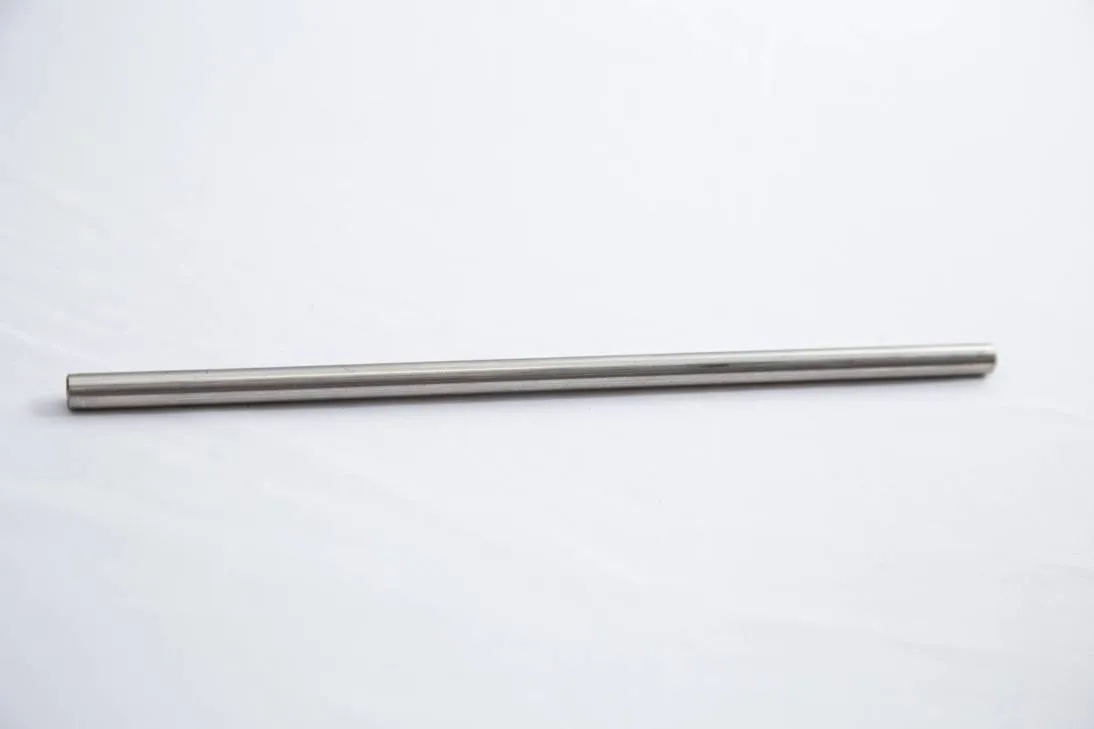
Stainless steel tube

Stainless Steel Tube

Stainless steel tubes provide high strength and excellent corrosion resistance for fluid transport systems. They are commonly used in high-pressure or high-temperature environments where durability and reliability are critical.
Stamped tube

Stamped Tube

Stamped tubes are formed using precision stamping processes to create complex shapes required for fluid routing. They provide consistent flow paths and structural integrity in automotive fluid systems.
Valve

Valve

Valves regulate the flow and pressure of fluids within automotive systems. They control fluid direction and volume, ensuring safe and efficient operation of fuel, cooling, and lubrication circuits.
Baffle fuel fillet inlet

Baffle Fuel Fillet Inlet

The baffle fuel fillet inlet helps regulate and guide fuel flow within fuel system assemblies. It minimizes turbulence and supports smooth fuel delivery to maintain consistent engine performance.
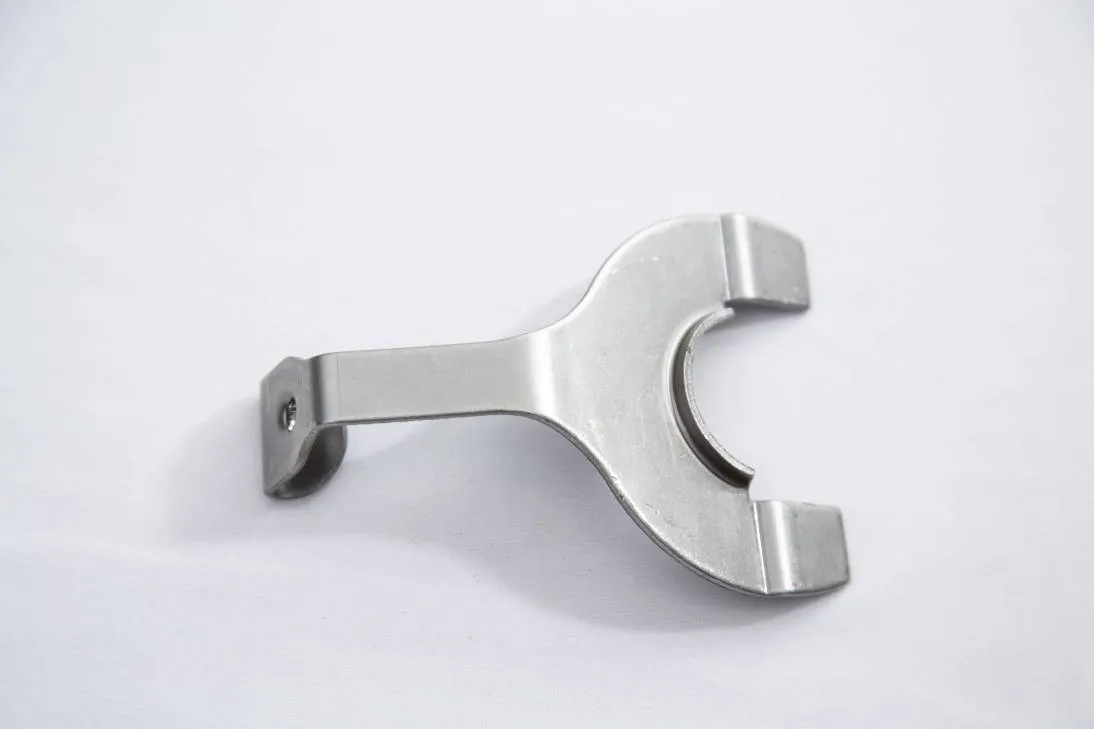
Yolk bracket

Yolk Bracket

The yolk bracket secures fluid handling components or tubing assemblies, ensuring stability and proper positioning within the vehicle structure. It is engineered to withstand vibration and operational loads.
Formed tube

Formed Tube

Formed tubes are shaped through specialized forming processes to fit specific routing paths within the vehicle. They allow efficient fluid transfer while accommodating space constraints and system design requirements.
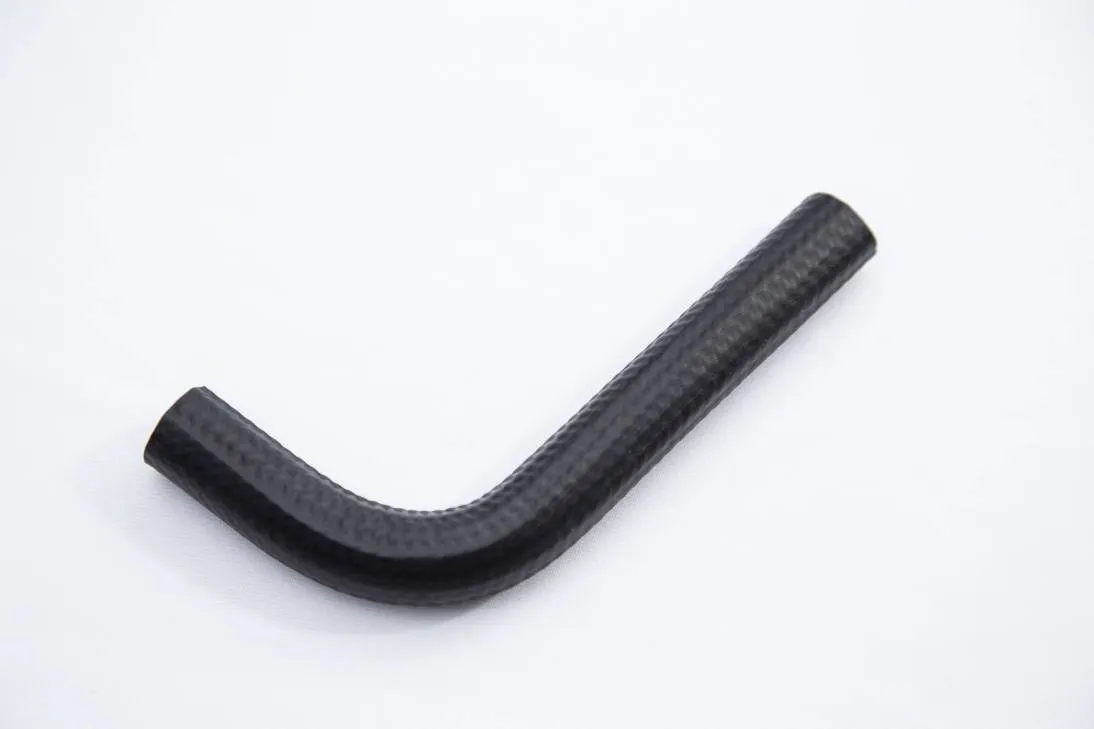
Rubber hose

Rubber Hose

Rubber hoses provide flexible connections between rigid tubes and fluid system components. They absorb vibration, accommodate movement, and maintain leak-free fluid transfer under varying operating conditions.
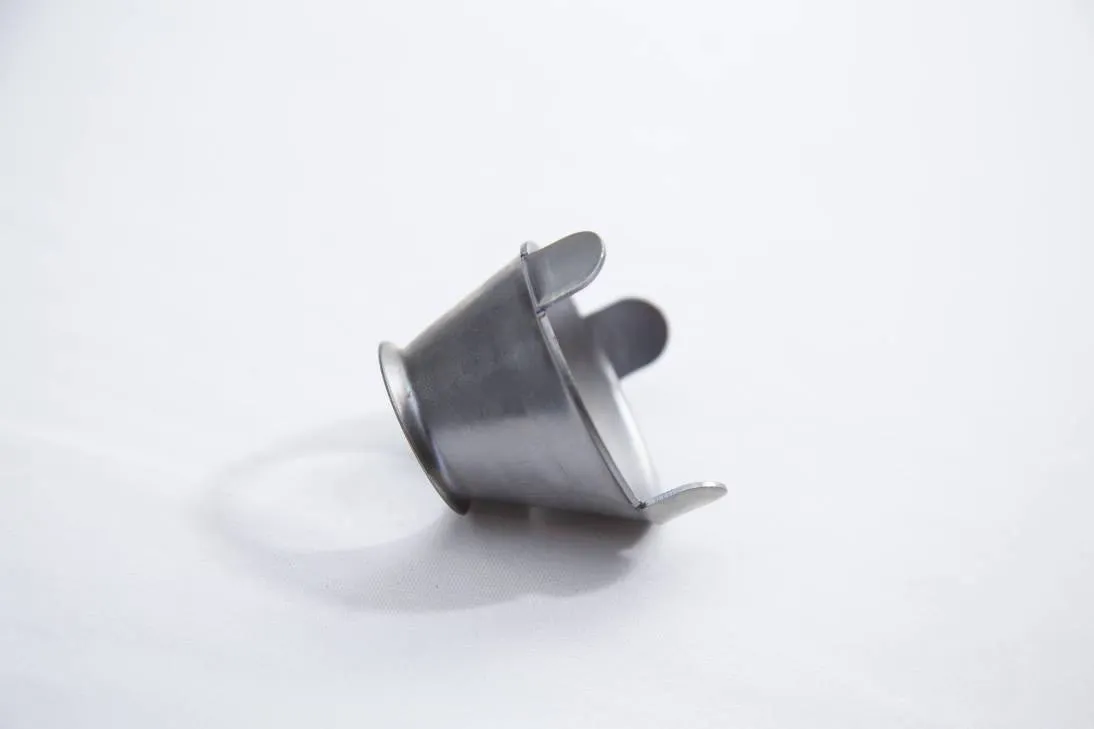
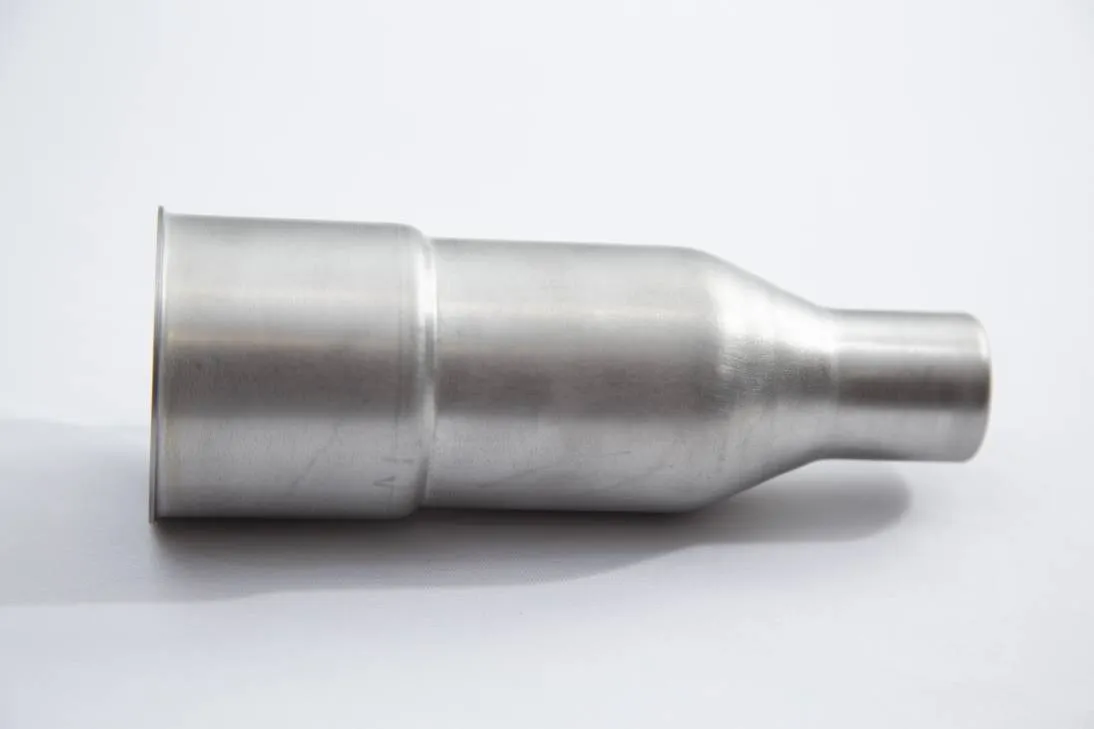
funnel

Funnel

Funnels are used to guide fluids into reservoirs or system openings during filling or servicing operations. They help prevent spills and ensure controlled fluid transfer.
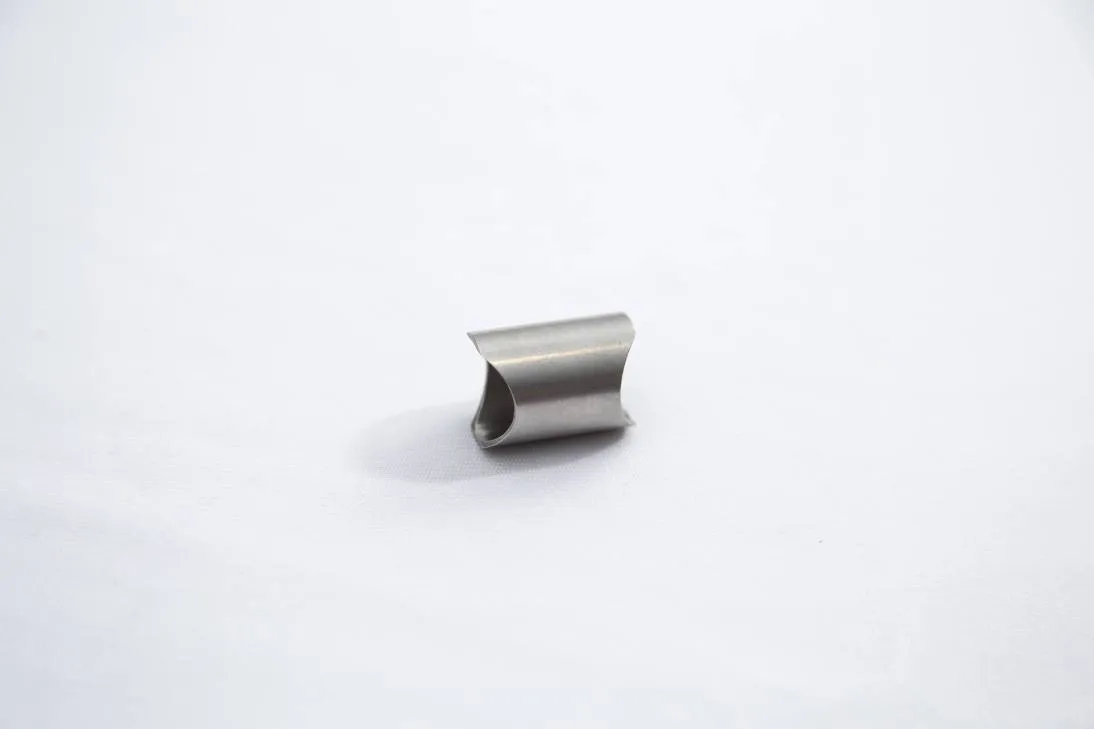
Clip

Clip

Clips secure tubes, hoses, and fluid lines in place within the vehicle structure. They maintain alignment and prevent movement caused by vibration or vehicle motion.
Frequently Asked Questions
1. What are fluid handling components in a vehicle?
Fluid handling components manage the transfer and control of fluids such as fuel, coolant, oil, and hydraulic fluids within automotive systems. They ensure safe and efficient vehicle operation.
2. What types of fluids are handled in automotive fluid systems?
Common fluids include fuel, engine oil, coolant, brake fluid, transmission fluid, and hydraulic fluids, all of which are critical for vehicle performance and safety.
3. What is the purpose of tubes in fluid handling systems?
Tubes transport fluids between different vehicle components. They ensure consistent flow, maintain system pressure, and support efficient fluid circulation.
4. Why are rubber hoses used in automotive fluid systems?
Rubber hoses provide flexibility between rigid tubes and components, allowing movement and vibration absorption while maintaining leak-free fluid transfer.
5. What role do valves play in fluid handling systems?
Valves control fluid flow direction and pressure, ensuring that fluids move through the system safely and efficiently.
6. Why are stainless steel and aluminum commonly used for tubes?
These materials offer high strength, corrosion resistance, and durability, making them ideal for transporting fluids under varying temperatures and pressures.
7. What is the function of brackets and clips in fluid systems?
Brackets and clips secure tubes and hoses within the vehicle structure, preventing movement, vibration damage, and misalignment.
8. What does a baffle fuel fillet inlet do?
It regulates and directs fuel flow within the fuel system, helping maintain smooth delivery and reducing turbulence.
9. What causes fluid handling components to fail?
Failures may occur due to corrosion, excessive pressure, vibration, temperature fluctuations, or wear over time. Proper maintenance helps prevent these issues.
10. How are fluid handling components manufactured?
Fluid handling parts are produced using tube forming, precision machining, stamping, welding, and finishing processes to ensure leak resistance, durability, and reliable performance.